Ever notice how a short drive across Pleasanton can feel like switching seasons? One neighborhood gets a cool afternoon breeze while another stays toasty until sunset. If you are shopping for a home, those small shifts make a big difference in day-to-day comfort and energy costs. In this guide, you will learn how Pleasanton’s microclimates work and which home features matter most so you can spot a great fit during tours. Let’s dive in.
Why Pleasanton’s microclimates matter
Pleasanton sits in the Tri-Valley, where a Mediterranean climate brings warm, dry summers and cooler, wetter winters. Local topography and the bay–ocean temperature contrast create noticeable variations across short distances. Inland valleys often heat up by day and cool off quickly at night, which leads to larger temperature swings than you may feel closer to the coast. You can explore regional patterns through NOAA climate normals and the Western Regional Climate Center for context.
Afternoon bay breezes often move through gaps like the Altamont and Carquinez corridors, reaching Pleasanton with varying strength and timing. Neighborhoods near slopes or ridgelines can be windier or a touch cooler, while sheltered low spots may hold warmth longer in the evening. Hot spells happen during summer, and winter storms bring cool, wet weather. Long-term trends across California show more frequent hot days, which increases the importance of cooling strategies and energy-smart upgrades.
How sun, wind, and temperature affect comfort
Sun exposure and orientation
Sun orientation plays a big role in how a home feels at different times of day. South-facing windows get strong sun in winter and more exposure in summer. With the right eaves or overhangs, you can welcome winter light while blocking high summer sun. East-facing windows bring warm morning light. West-facing glass often causes the most late-day heat gain, which can push cooling systems harder in the afternoon. Roof orientation also affects solar potential and attic heat.
Afternoon breezes and ventilation
Pleasanton’s afternoon breezes can cool a home naturally when the layout supports cross-ventilation. Operable windows on opposite sides of living spaces help move air. Open interior pathways and insect screens add ease and comfort. Hilltop or ridge locations may feel breezier, which can be refreshing but may also influence outdoor dining and landscaping choices.
Diurnal swings and thermal mass
The daily temperature swing in Pleasanton makes thermal mass helpful. Materials like concrete, masonry, or tile absorb heat during the day, then release it when evening air cools. Combine that with solid insulation and air sealing to stabilize indoor temperatures and reduce how often your HVAC kicks on.
Moisture and winter rains
Winters are wetter, so roof condition, flashing, gutters, and grading matter. Proper attic ventilation helps prevent moisture buildup and protects your roof structure. In summer, dry conditions influence landscaping and irrigation needs.
Energy loads and costs
Cooling is often a larger annual energy load than heating in Pleasanton, though cool winter nights still make efficient heating relevant. As hot days become more common, consider mechanical systems and passive strategies that reduce cooling costs without sacrificing comfort.
Home features Pleasanton buyers value
Orientation and layout
- Favor floorplans that place main living areas where you can catch afternoon breezes.
- Seek a balance of south and north exposures for daylight without excessive heat gain.
- Look for overhangs or porches that shade summer sun and still allow winter light.
Windows and glazing
- Choose double-pane, low-e windows to reduce heat gain while keeping natural light. See the ENERGY STAR guidance on windows for what to look for.
- Confirm operable windows, secure locks, and insect screens to support cross-ventilation.
- Add shading for west-facing glass, such as awnings, exterior shades, or landscape trees.
Insulation and air sealing
- Prioritize continuous insulation, especially in the attic. Sealed ducts and caulking around penetrations help reduce drafts.
- Better insulation stabilizes nighttime temperatures when the outdoor air cools.
HVAC and efficient cooling
- Air-source heat pumps provide efficient heating and cooling in one system. Review the U.S. Department of Energy explanation of heat pumps for performance insights.
- Right-sized equipment performs better than oversized units. Ask for maintenance records and confirm programmable or smart thermostats.
- Whole-house fans can flush out heat during cooler evenings and mornings. Learn how they work with DOE guidance on whole-house fans.
Roof, attic, and ventilation
- Cool roof materials and lighter colors reduce attic heat gain in summer.
- Adequate attic ventilation and radiant barriers help keep living areas cooler.
- Review roof condition closely during tours and inspections.
Solar PV and energy storage
- A well-oriented, structurally sound roof supports solar. Solar can offset cooling costs, and batteries help cover evening peaks on hot days.
- Ask for system ownership details, warranties, and production history if panels are installed.
Outdoor spaces and landscaping
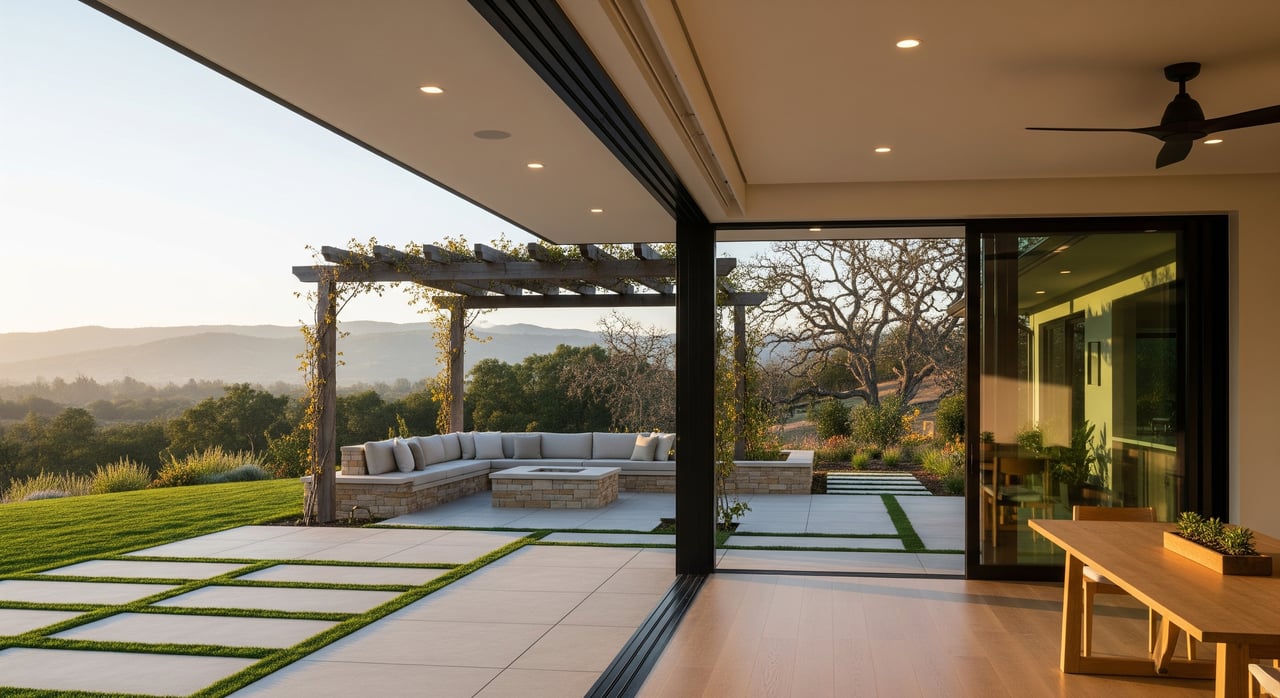
- Shade structures, pergolas, and trees improve outdoor comfort and reduce indoor heat gain.
- Place deciduous trees where summer shade helps, and consider evergreen windbreaks on windward sides when appropriate.
- Use permeable surfaces to reduce heat buildup and manage stormwater.
Water and irrigation
- Drip irrigation and smart controllers that track local evapotranspiration can cut water use.
- Mulch helps retain soil moisture around plants.
Durability and moisture control
- Gutters and correct grading move water away from foundations during winter rains.
- Well-detailed flashing and routine roof maintenance prevent leaks.
Energy performance and standards
- Ask for any HERS ratings, ENERGY STAR certifications, or local energy disclosures.
- California’s evolving standards set a high bar. If you plan a remodel, review Title 24 building energy standards to understand requirements and opportunities.
Local incentives and resources
- Explore PG&E residential energy efficiency programs and rebates that may support heat pumps, insulation, smart thermostats, or solar.
What to check during Pleasanton tours
Quick visual checks
- Orientation and exposure: Which rooms receive morning sun? Which take strong afternoon sun?
- Window type: Single or double pane? Any low-e labels, gaps, or condensation between panes?
- Shading: Eaves, awnings, pergolas, or tree canopy on key south and west windows.
- Cross-ventilation: Operable windows on opposite sides of main living areas.
- HVAC: Nameplate age and model, ducted vs ductless, presence of smart thermostat.
- Fans: Ceiling fans in bedrooms and living areas, any whole-house fan in the attic.
- Attic insulation: Check depth if accessible. Ask for records if not visible.
- Roof: Condition, orientation, and any signs of wear.
- Landscaping: Shade trees, windbreaks, and nearby hardscape that can retain heat.
- Drainage: Grading away from the foundation, working gutters and downspouts.
- Moisture signs: Staining, peeling paint, or musty odors.
Questions to ask the seller or listing agent
- How old are the heating and cooling systems? Any maintenance records?
- Any heat pump or mini-split equipment? Have windows or insulation been upgraded?
- Are solar panels installed? Who owns them? What warranties exist?
- What are the average utility bills for summer and winter? Ask for 12 months of data.
- Any known issues with wind exposure, water intrusion, or comfort during heat waves?
- Has the home had an energy audit or HERS score? Any blower door or duct tests?
- When do afternoon breezes typically arrive at this property?
Items to request for inspection or follow-up
- HVAC sizing and service records, plus any duct sealing or replacement history.
- Attic insulation R-value, roof age, and roofing material specs.
- Window upgrade documentation.
- Solar paperwork, including inverter model and production history.
- Evidence of moisture remediation if past issues were noted.
Metrics and thresholds to flag
- HVAC older than about 15 to 20 years may be due for replacement.
- Single-pane windows are strong candidates for upgrades.
- Low attic insulation relative to California guidelines is a high-impact retrofit opportunity.
- Large west-facing glass without shading can drive higher cooling loads.
Balancing microclimate tradeoffs for your lifestyle
Every exposure brings pros and cons, so match the home to your daily rhythm. If you love bright mornings, east-facing windows might be a plus. If you work from home and feel the late-afternoon heat, prioritize shading for west-facing rooms. Thermal mass can improve comfort if you enjoy opening windows in the evening. If breezy afternoons are common on your block, a whole-house fan may reduce your need for air conditioning on many nights.
If you plan updates later, consider starting with air sealing and attic insulation, then windows or shading for high-impact exposures. HVAC improvements and solar can follow. Title 24 requirements will guide permitted projects, and local utility rebates can offset costs.
How we help Pleasanton buyers
When you shop in Pleasanton and the Tri-Valley, you want a home that fits how you live through our sunny days, cool evenings, and winter rains. Our team is rooted here, and we focus on the details that affect comfort and efficiency. We will help you evaluate microclimate factors during tours, understand upgrade options, and negotiate with clarity.
If you are ready to buy in Pleasanton or nearby East Bay communities, connect with McDowell Homes Group to plan your next move with confidence.
FAQs
What is a microclimate in Pleasanton?
- Pleasanton’s microclimates are local variations in temperature, wind, and sun exposure caused by valley topography and coastal influence. Afternoon bay breezes and day–night swings are common. Regional patterns are summarized by NOAA climate normals.
Which window orientations affect heat the most in summer?
- West-facing windows often cause the biggest late-afternoon heat gain. South-facing windows receive strong summer sun on vertical glass, but good overhangs can manage it. East-facing windows bring morning warmth.
Are whole-house fans useful in the Tri-Valley?
- Yes, when evenings cool and breezes pick up. Whole-house fans pull cooler outdoor air through the home and vent heat from the attic. Review DOE guidance on whole-house fans for best practices.
What should I know about heat pumps here?
- Heat pumps provide efficient cooling for hot days and reliable heating for cool nights in one system. Learn more from the U.S. Department of Energy overview of heat pumps.
Do energy codes affect my remodel in Pleasanton?
- Yes. California’s Title 24 energy standards apply to permitted projects. The standards improve efficiency and may shape choices for windows, insulation, and HVAC.
Are there local incentives for upgrades?
- Many buyers and owners use PG&E energy efficiency programs and rebates for heat pumps, insulation, smart thermostats, and sometimes solar. Always verify current eligibility and terms.